Crystal Palace Park wedding flowers local supplier case study
Posted on 10/10/2026
If you are planning a wedding near Crystal Palace Park, flowers can feel like a small detail right up until they are not. Then suddenly they are the thing that ties the whole day together: the bouquet in hand, the buttonholes on jackets, the table flowers catching the late light, the little moment when the ceremony space feels finished. This Crystal Palace Park wedding flowers local supplier case study looks at how a local florist approach can work in a real-world wedding setting, what you should expect, and how to choose arrangements that suit both the venue and the practical realities of the day.
Let's be honest, wedding flowers are part design decision and part logistics decision. A beautiful bouquet is great. A beautiful bouquet that survives travel, timing, and a slightly breezy park-side arrival is better. In this guide, you'll find a clear breakdown of what local supply means, why it matters around Crystal Palace Park, and how to plan flowers without overcomplicating things. It's the sensible side of romance. That's not a bad place to start.
Why Crystal Palace Park wedding flowers local supplier case study Matters
Crystal Palace Park is a lovely setting for a wedding, but it comes with the sort of practical details that are easy to underestimate. Open-air surroundings, movement between locations, changing light, transport timing, and the general reality of London weather all play a part. A local supplier is often a better fit because they understand those conditions in a way a distant, one-size-fits-all florist simply may not.
When people search for a wedding flowers case study, they are usually trying to answer a few real questions. Can a local florist handle venue timing? Will the flowers suit the setting? What happens if the schedule changes? Can you keep the design elegant without spending money where it won't show? That is the heart of this topic, really. Not just what flowers look nice, but how the whole service works when the wedding day is moving fast.
For Crystal Palace Park weddings, local knowledge matters because every small delay can ripple through the morning. A supplier close to the area is more likely to know the traffic patterns, loading realities, and how to plan drop-offs so arrangements arrive fresh and on time. It sounds boring until you're the one waiting by the venue entrance with a bouquet in one hand and a phone in the other.
Expert takeaway: the best wedding flowers are not only attractive, they are reliable, venue-aware, and timed for the actual day you are having, not the day in a brochure.
How Crystal Palace Park wedding flowers local supplier case study Works
A local supplier case study is basically a practical story of how the florist process fits the wedding. For Crystal Palace Park, the process usually starts with the couple's style and budget, then moves into seasonal flower selection, delivery planning, and final setup or handover. The supplier is not just selling stems; they are solving a timeline.
In a typical local florist workflow, the sequence looks something like this:
- Initial brief: venue, date, colour palette, dress style, ceremony mood, and what needs to be flowered.
- Design discussion: bouquet size, buttonholes, bridesmaid flowers, table pieces, ceremony arrangements, and any extras.
- Practical planning: delivery windows, transport, hydration, and any setup requirements.
- Flower selection: choosing blooms that are in season, sturdy enough for the day, and visually suited to the venue.
- Preparation: conditioning stems, building arrangements, and confirming the final order.
- Delivery or collection: making sure the flowers arrive fresh and ready to use.
That sounds straightforward, and most of the time it is. But the detail is where it works. A bouquet for an outdoor photoshoot by the park edge needs to be handled a little differently from a large central table arrangement that will sit indoors for hours. The local supplier can adjust for that. That's the difference between a generic order and a wedding plan.
If you are using a florist with wedding-specific ranges, you can often build the order from bouquet types, bridal party pieces, buttonholes, and wedding table arrangements. A collection such as wedding flowers and event pieces helps keep the design coherent instead of pieced together from random items. And to be fair, coherence matters. Nobody wants the bouquet to look like it belongs to a different wedding.
Key Benefits and Practical Advantages
The biggest benefit of working with a local supplier for Crystal Palace Park wedding flowers is control. Not control in a stressful, clipboard-waving sense. More like confidence that the flowers will be there, look right, and behave themselves through the day.
Here are the advantages couples usually notice first:
- Shorter travel distance for flowers: less time in transit can mean fresher arrangements, especially for delicate stems.
- Better timing flexibility: local suppliers may have more realistic delivery windows for early ceremonies or tightly packed schedules.
- Venue-aware design: arrangements can be chosen to suit the size, style, and feel of the space.
- Seasonal flower guidance: local florists tend to be practical about what is likely to hold up well and what may be expensive or fragile.
- Less stress on the morning: one reliable local contact is easier than coordinating with multiple distant providers.
- More natural colour matching: a florist familiar with nearby weddings often knows what works visually in local light and surroundings.
There is also a budget angle. Local suppliers often help couples spend more intelligently. Instead of stretching for oversized arrangements everywhere, you can focus on the bridal bouquet, a few key ceremony flowers, and table pieces that genuinely get seen. A thoughtful plan beats a bloated one. Every time.
If you are comparing styles, it can help to browse specific product categories rather than guessing. For example, a simple and elegant option like bridal bouquets lets you focus on the most important bouquet first, while buttonholes cover the smaller but important details for the wedding party.
Who This Is For and When It Makes Sense
This approach makes the most sense for couples who want wedding flowers that feel tailored but not overcomplicated. If you are planning a Crystal Palace Park ceremony, a local supplier is especially useful when any of the following are true:
- You want a florist who understands the area and nearby delivery logistics.
- You are trying to balance beauty with practicality.
- You need bouquet and buttonhole coordination without lots of back-and-forth.
- You want a more seasonal, natural look rather than a heavily styled luxury installation.
- You are managing a modest budget and need flowers that make the strongest visual impact.
- You prefer fewer unknowns on the wedding day.
It also suits couples who are planning at a sensible pace. If you are looking six to twelve months ahead, you have room to compare styles, request revisions, and think through what matters most. If you are closer to the date, local sourcing can still help because the practical communication is usually faster and clearer. Sometimes wedding planning is just a series of small, smart choices. This is one of them.
There is a useful distinction here: local does not automatically mean cheaper, and expensive does not automatically mean better. What you want is the best fit for the venue, season, and schedule. That may be a compact bridal bouquet with coordinated bridesmaid pieces, or it may be a fuller wedding collection with table arrangements and corsages. The point is fit.
Step-by-Step Guidance
If you are trying to turn a vague idea into an actual flower plan, use this simple structure. It keeps the process calm and stops you from ordering things because they look pretty in isolation. Beautiful, yes. Practical, maybe not.
- Start with the venue and timings. Write down where the ceremony, photos, and reception will happen, and how much moving around the day involves.
- Choose the main floral focus. For many couples, that is the bridal bouquet. For others it might be ceremony flowers or table arrangements.
- Pick the colour direction. Think in terms of the dress, suits, venue interiors, and season. Soft whites, blush tones, greens, and mixed colours all create different moods.
- Decide what actually needs flowers. Not every wedding needs every item. Be selective.
- Check what is in season. Seasonal choices are often fresher, better value, and less stressful for the supplier to source.
- Confirm practical details. Delivery time, contact number, parking access, and who receives the flowers on the day.
- Review the final list. Make sure the order matches the guest count and the actual event layout.
A useful habit is to picture the flowers in the room, not just in a photo. A bouquet might look great at arm's length and still be too heavy for a long walk. A table piece may be lovely and still block sightlines. A buttonhole can be perfectly made and then pin awkwardly into a thicker jacket. Small things, but they matter.
If your florist offers wedding collections, those can simplify the decision-making stage. A coordinated range such as a curated wedding collection or a coordinated wedding set can give you a strong visual theme without forcing you into a fully bespoke build from scratch.
Expert Tips for Better Results
Most wedding flower problems are not caused by bad taste. They are caused by mismatched expectations or a plan that ignored the real day. A few practical habits can make a surprisingly big difference.
- Keep the bouquet size realistic. Large bouquets can look dramatic, but they are not always comfortable for photos, transport, or all-day carrying.
- Use the venue light to guide colour choices. Crystal Palace Park weddings can shift between bright outdoor light and softer indoor tones, so test how the colours might read in both.
- Choose sturdy flowers where it matters. Buttonholes, table flowers, and travel-heavy items need to cope with handling better than a hand-tied bouquet.
- Let one or two flowers lead. A design with too many competing varieties can feel busy. Simpler often reads more elegantly in person.
- Ask for honest substitutions. A good florist will tell you when a flower is not the best choice for the date and may suggest a stronger alternative.
- Plan the handover clearly. Who is receiving the bouquet? Where will it be placed? Who is responsible for buttonholes? This avoids the awkward "who has the flowers?" moment.
One small but important tip: think about the weather. Not pessimistically, just realistically. A breezy park-side arrival can flatten delicate petals faster than you would expect. A local florist usually knows how to build in a bit of resilience, which is quietly valuable.
And here's the thing. The most elegant wedding flowers are often the ones that look effortless because someone did the hard thinking before the day. That's the work.
Common Mistakes to Avoid
It's easy to get swept up in pictures and forget the practical side. To be fair, wedding flowers are designed to be beautiful first. But beauty without planning can become expensive very quickly.
- Ordering before confirming the venue layout. You need to know where flowers will sit and how guests will move around the space.
- Choosing flowers only by image. Some blooms photograph beautifully but are less forgiving in transport or heat.
- Ignoring scale. Tiny arrangements can disappear in a large room; oversized ones can overwhelm a small ceremony area.
- Not sharing the full schedule. Your florist needs the actual timing, not just the ceremony time.
- Leaving transport to the last minute. A bouquet in the wrong car, at the wrong time, is a classic avoidable headache.
- Forgetting about the wedding party's clothing. Buttonholes and corsages should work with fabric, colour, and fastening methods.
Another common issue is trying to make every floral element do too much. The bouquet should be beautiful. The buttonholes should be neat and secure. The table arrangements should complement, not compete. Each piece has a job. Once you see it that way, planning gets easier.
There is also a tendency to over-order. More flowers is not always better. Sometimes a restrained plan with strong focal pieces gives the room more breathing space and looks more expensive than a packed-out arrangement. Funny old thing, that.
Tools, Resources and Recommendations
You do not need specialist software to plan wedding flowers well, but a few simple tools help keep the process tidy. A shared notes document, mood board, and guest list can go a long way. So can a basic timeline with everyone's arrival time. Nothing glamorous. Very useful though.
Useful things to prepare before speaking to a florist:
- Venue name and exact location
- Wedding date and ceremony time
- Style references for bouquet and table flowers
- Colour palette
- Dress and suit details
- Approximate budget range
- Guest count and table layout
- Any allergies or scent preferences
For product ideas, it can be helpful to compare wedding-focused items with broader event ranges. A bridal bouquet, bridesmaid bouquet, and table arrangement usually need to work as a family of pieces. If you want a cleaner, more refined result, start with a strong core design such as bridesmaid bouquets and build outward from there. For smaller details, corsages can be a graceful finishing touch for key family members.
If you are still narrowing down the overall style, a category like wedding flowers gives a broader view of the supplier's approach. That can be helpful when you are trying to work out whether the design language feels classic, contemporary, or somewhere in between.
Law, Compliance, Standards, or Best Practice
For wedding flowers, the main compliance concerns are usually practical rather than legal. You are not typically dealing with regulated activity in the way you might with finance or medical services. But there are still standards and best practices worth keeping in mind.
A professional florist should be clear about order confirmation, payment terms, delivery arrangements, substitutions, and cancellation or refund expectations. Those basics matter because weddings are time-sensitive. If something changes, everyone needs to know what happens next. A transparent supplier makes that easier.
Best practice in this space also includes proper flower conditioning, safe handling of water sources, sensible packaging, and attention to allergy awareness where relevant. If a family member is sensitive to strong scents or pollen-heavy flowers, it is wise to mention it early. Not every supplier will volunteer that detail unless you ask.
For outdoor or semi-outdoor settings around Crystal Palace Park, best practice is also about transport and display. Arrangements should be stable, easy to carry, and protected from heat or wind where possible. A florist who has worked local weddings before is often better placed to advise on that sort of thing. You want practical calm, not floral drama.
You may also want to check the florist's broader policies on delivery, refunds, privacy, and guarantees. Those pages can signal how the business handles customer care. If you are comparing suppliers, it is sensible to review their general service information such as delivery, returns and refund information, and guarantees. That is just good due diligence, really.
Options, Methods, or Comparison Table
Different wedding flower approaches suit different couples. If you are planning a Crystal Palace Park wedding, the right answer depends on your priorities: style, convenience, budget, and how much setup you want to manage.
| Approach | Best for | Pros | Trade-offs |
|---|---|---|---|
| Local supplier with wedding collection | Couples wanting speed, consistency, and easy planning | Clear design direction, easier coordination, venue-aware delivery | Less bespoke than a fully custom brief |
| Fully bespoke florist brief | Couples with a strong visual vision | Highly personalised, flexible design choices | Usually more time-consuming and may need more budget |
| Mixed approach | Couples balancing a special bouquet with simpler supporting pieces | Good value, keeps the key moments strong | Requires careful matching so it feels cohesive |
| Minimal floral plan | Smaller weddings or tighter budgets | Lower cost, simpler logistics, less waste | Less visual impact if not planned well |
A mixed approach is often the sweet spot. For example, you might choose a standout bridal bouquet, coordinated bridesmaid flowers, and a few table arrangements, then skip anything that does not add much to the experience. That kind of decision feels grown-up, a bit satisfying actually.
If you prefer a more complete coordinated look, a product family like a wedding collection built around one design theme can keep everything visually connected. If you want to stay a little more flexible, you can mix separate pieces such as table arrangements and bridal flowers to suit the room.
Case Study or Real-World Example
Here is a realistic example of how a local supplier approach might work for a Crystal Palace Park wedding. This is not a fictional testimonial or a claim about a specific customer; it is a practical scenario based on common wedding-flower planning needs.
A couple is planning a late spring ceremony near Crystal Palace Park. They want the flowers to feel fresh, elegant, and not overly formal. The bride prefers a soft white and blush palette, the wedding party needs buttonholes and corsages, and the reception will use a handful of table arrangements rather than large centrepieces. The schedule is tight. Everyone is coming from different directions, and the couple does not want a long collection process.
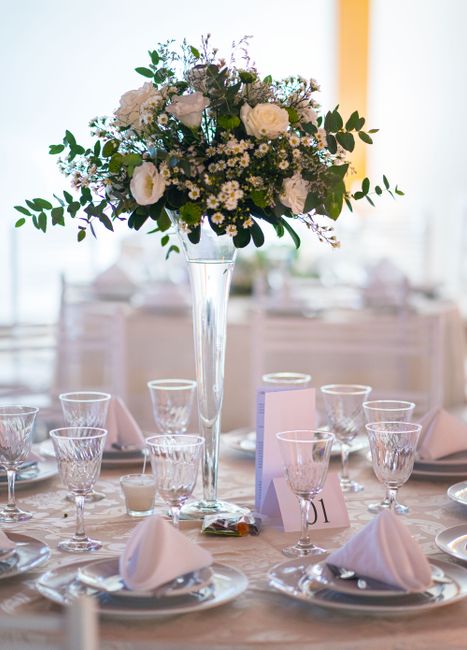
The local supplier starts by narrowing the design to a few dependable pieces: a bridal bouquet, bridesmaid bouquets, buttonholes, and wedding table arrangements. The supplier suggests seasonal flowers that hold shape well during travel and photographs well in mixed light. They also simplify the order by keeping the palette consistent across all pieces.
On the day, the flowers are delivered within a realistic window, and the bouquet is handed over in a way that fits the timeline. The arrangements are ready for the reception without needing much fuss. That is usually what good local service looks like: not flashy, just calm and reliable. And on a wedding morning, calm is priceless.
If the couple wanted a more polished branded look, they could build around a collection such as a coordinated wedding collection with a soft romantic feel or a refined classic wedding set. These kinds of options are helpful because they reduce decision fatigue without making the flowers feel generic.
Practical Checklist
Use this checklist before you confirm your Crystal Palace Park wedding flowers. It keeps the planning grounded, and honestly, it saves a lot of backtracking later.
- Have you confirmed the venue name, access details, and timing?
- Do you know which flowers are for the bouquet, bridal party, ceremony, and tables?
- Have you chosen a colour palette that works with outfits and venue light?
- Do you know whether you want seasonal blooms, classic flowers, or a mix?
- Have you checked delivery and handover arrangements?
- Have you shared any scent or allergy concerns?
- Is the order realistic for your budget?
- Have you discussed substitutions in case of seasonal changes?
- Do you know who will pin buttonholes and place the table flowers?
- Have you reviewed the florist's delivery and policy pages?
If you can tick most of those off, you are in good shape. Not perfect, maybe, but good shape. And good shape is exactly what you want before a wedding day.
Get a free quote today and see how much you can save.
Conclusion
A Crystal Palace Park wedding flowers local supplier case study is really about making the floral side of the day easier to trust. Local knowledge, clear timing, practical design, and a venue-aware approach all reduce the chance of avoidable stress. That matters more than people sometimes realise.
The best wedding flowers are the ones that support the day without becoming a problem to solve. They look good in pictures, yes, but they also hold together through real movement, real weather, and real schedules. That is where local suppliers earn their keep. Quietly, often without much fuss. Which, frankly, is exactly what you want.
If you keep the plan simple, choose flowers that suit the setting, and work with a supplier who understands local logistics, you give yourself a better chance of a day that feels beautiful and calm. And that's the real goal, isn't it?
There is something reassuring about flowers that just fit. They do their job, they look lovely, and they let the day breathe.
Frequently Asked Questions
What does a Crystal Palace Park wedding flowers local supplier case study actually mean?
It means looking at how a local florist approach works in practice for a wedding near Crystal Palace Park. The focus is on planning, delivery, design fit, and the real logistics of the day, not just on pretty pictures.
Why use a local florist for Crystal Palace Park wedding flowers?
A local florist is often better placed to handle timing, travel distance, and venue-aware planning. That can mean fresher flowers, fewer delays, and a smoother handover on the day.
What flowers work best for a Crystal Palace Park wedding?
That depends on the season, colour palette, and style of the wedding. In general, sturdy seasonal flowers that travel well are a safe starting point, especially for bouquets, buttonholes, and table arrangements.
How far in advance should I book wedding flowers?
Ideally, book as early as you can, especially if you want a specific look or are marrying during a busy season. Earlier booking gives you more choice and more time to refine the order.
Can a local supplier help with both bouquets and table flowers?
Yes, and that is often the simplest route. A local supplier can usually coordinate bridal bouquets, bridesmaid flowers, buttonholes, corsages, and table arrangements so everything feels cohesive.
Are wedding flower collections better than fully custom designs?
Not always better, just different. Collections are useful if you want clarity, speed, and visual consistency. Fully custom designs are better if you have a very specific vision and time to work through it.
How can I keep wedding flower costs sensible?
Focus on the pieces that matter most visually, choose seasonal flowers, and avoid over-ordering. A compact, well-designed plan often looks better than a larger one that is spread too thin.
What should I tell the florist before the consultation?
Share the venue, date, schedule, colour palette, outfit details, guest count, and any allergies or scent concerns. The more practical context you give, the more useful the advice will be.
Do I need buttonholes and corsages as well as bouquets?
That depends on your wedding party and family plans. Some couples like these small details because they tie the whole look together, while others prefer a more minimal floral plan.
What if the weather changes on the wedding day?
A good local florist should plan with that possibility in mind. Choosing sturdier blooms, sensible packaging, and realistic delivery timing helps reduce weather-related problems.
How do I know if the florist is a good fit?
Look for clear communication, realistic advice, useful policy information, and a style that suits your venue. If they understand the practical side as well as the aesthetic side, that is usually a good sign.
Can I mix wedding flowers with other gift or seasonal items?
You can, although it is usually best to keep the wedding order focused so the design stays cohesive. If you need extra floral gifting alongside the wedding, a separate order may be cleaner and easier to manage.