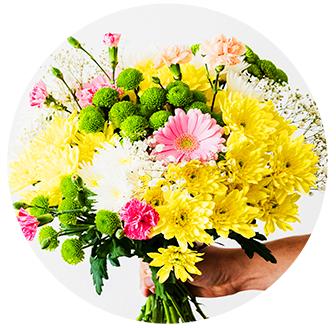
Discover Ways to Extend the Life of Your Cut Flower Arrangements
Posted on 03/07/2025
Discover Ways to Extend the Life of Your Cut Flower Arrangements
Nothing transforms a room quite like a fresh bouquet of cut flowers. Whether you've picked roses from your garden, received a vibrant birthday bouquet, or splurged on elegant lilies at the market, cut flower arrangements bring beauty and joy into any space. However, the inevitable wilting comes sooner than we'd like. What if you could enjoy your beautiful blossoms for a longer period? In this comprehensive guide, you'll uncover proven tips, techniques, and secrets for extending the life of your cut flower arrangements, ensuring your blooms remain fresher and more vibrant for days--if not weeks!

Why Cut Flowers Fade: Understanding the Basics
Before diving into ways to prolong the lifespan of your flower arrangements, it's important to understand why cut flowers wilt in the first place:
- Water deprivation: Once severed from their roots, flowers lose their water source.
- Bacteria build-up: Water in vases attracts bacteria, which block stems and hamper water uptake.
- Ethylene gas: Certain fruits and decaying blooms emit a gas that accelerates aging in flowers.
- Environmental stress: Heat, direct sunlight, and drafts increase wilting.
Knowing these culprits helps you create an ideal environment so your cut flower arrangements last beautifully.
The Essentials: Prepping Your Arrangement for Longevity
Choose Fresh Blooms
Begin with the freshest flowers possible. When purchasing, look for these indicators:
- Closed buds: For blooms like lilies or roses, select buds just starting to open, promising a longer display.
- Firm stems and leaves: Avoid wilting or browning foliage.
- Healthy petals: Steer clear of bruised or falling petals.
The Importance of Clean Tools and Containers
Bacteria are the nemesis of long-lived flower arrangements. Use a clean vase and sanitized scissors or pruning shears to eliminate sources of infection. Before arranging your flowers:
- Wash vases with hot, soapy water and rinse thoroughly.
- Disinfect scissors or shears with rubbing alcohol before snipping stems.
Preparing Your Flowers for Maximum Freshness
Trim Stems Effectively
Always cut stems at a 45-degree angle, ideally under water. This increases the surface area for water uptake and prevents air bubbles from blocking the vessels (xylem). Re-cut stems every few days to maintain optimal water absorption.
Remove Lower Leaves
Leaves submerged in water decompose quickly and foster bacterial growth. Strip all foliage that would sit below the waterline to keep the water clean and your arrangement healthy.
Hydrate Immediately
Get your flowers into water immediately after cutting--even a few minutes without water can accelerate wilting. For garden-picked blooms, bring a bucket of water outdoors and place cut stems inside as you go.
Creating the Perfect Environment for Longevity
Location Matters
Where you display your flowers can significantly affect their lifespan. Follow these guidelines to maximize the life of your cut flower arrangements:
- Keep arrangements out of direct sunlight and away from heat sources.
- Maintain a cool room temperature (ideally 65-72?F, or 18-22?C).
- Avoid placing vases near fruit bowls: Ripening fruit emits ethylene gas, which hastens wilting.
- Stay clear of vents, fans, and drafts that can dry out petals.
Refresh Water Frequently
Change vase water every 2-3 days. Rinse the vase each time and replenish with fresh, cool water. This practice greatly reduces bacterial growth and provides the cleanest hydration for your blossoms.
DIY Tricks and Flower Food Recipes
Use Commercial Flower Food
Florists often include a packet of flower food for a reason: it's formulated to inhibit bacteria, nourish stems, and acidify water for better absorption. Always follow package directions; use the right ratio of powder to water.
Make Your Own Homemade Flower Preservative
If you're out of commercial food, whip up a DIY solution to extend the vase life of your cut flowers. Try this recipe:
- 2 tablespoons lemon or lime juice (acidifies water)
- 1 tablespoon sugar (nourishes flowers)
- 1/2 teaspoon bleach (prevents bacteria)
- 1 quart (about 1 liter) lukewarm water
Mix thoroughly and add to the vase. Change every other day for best results.
Alternative Flower Life Hacks
- Aspirin: Crush one tablet and add to the water to reduce bacteria and enhance water flow.
- Vodka: Add a few drops to suppress ethylene production and extend freshness.
- Pennies: The copper acts as a mild fungicide, deterring bacterial growth.
*Results may vary by flower variety, but these time-honored tips are worth a try!
Specific Flower Care: Special Tips by Variety
Roses
- Remove ANY leaves below the waterline.
- Re-cut stems every other day, ideally under water.
- Remove outer "guard" petals as they brown to keep bouquets looking flawless.
Lilies
- Remove pollen-covered stamens as soon as blooms open to avoid stains and extend the freshness of petals.
- Support heavy, top-heavy blooms with sturdy vases.
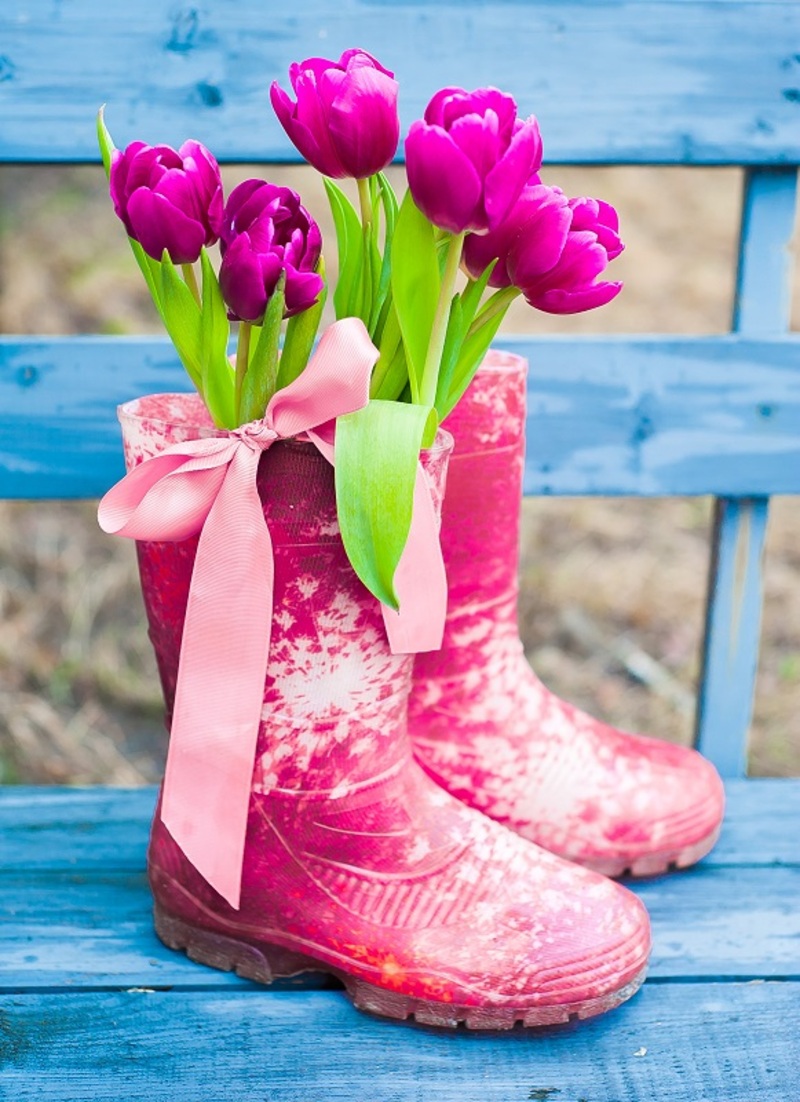
Tulips
- Place in shallow water (they drink less than you might think).
- Keep away from sunlight; tulips "follow" light and can bend dramatically.
Hydrangeas
- Submerge whole heads in water for 30 minutes if they begin to wilt.
- Crush or split the woody stems before arranging to boost water uptake.
Common Mistakes That Shorten the Life of Your Cut Flower Arrangements
- Overcrowding stems: Crowded flowers compete for water and create microclimates for bacteria. Arrange loosely for air circulation.
- Neglecting recuts: Skipping stem trimming impairs hydration as stem ends seal off over time.
- Using hot water: While some stubborn stems like roses benefit from a brief hot water dip, most flowers thrive in cool, clean water.
- Leaving flowers too close to ripening fruit: The ethylene gas can cause blooming flowers to age much faster.
How to Revive Wilted Flowers
Even if your flowers start looking tired, you can sometimes restore their splendor with a few simple tricks:
- Full water submersion: Lay wilted flowers (especially greens and hydrangeas) in a tub of water for 1-2 hours.
- Hot water treatment: Cut the stems and place them in hot water (about 110?F/43?C). The heat can unblock water passages. After 1 hour, return to cool water.
- Misting: Use a spray bottle to gently mist delicate petals of wilting blooms to revive their appearance.
Long-Term Arrangements: Dried Flowers as an Alternative
If you're passionate about prolonging the beauty of your flower arrangements, consider drying your favorite blooms:
- Air drying: Tie flowers in small bunches and hang them upside down in a dry, dark, well-ventilated area.
- Silica gel: Bury blooms in silica gel crystals for several days to preserve their shape and color.
- Pressing: Press petals between the pages of heavy books for charming keepsakes.
Dried flower arrangements can add texture and vintage flair to your home while keeping your favorite memories alive far longer than fresh displays.
FAQs: Best Practices for Cut Flower Arrangement Longevity
- Q: How often should I change the water in my vase?
A: Every 2-3 days or as soon as the water looks cloudy. - Q: What temperature water is best for cut flowers?
A: Lukewarm or cool water is ideal for most, except for woody stemmed blooms, which may benefit from warmer water initially. - Q: Can I mix different types of flowers in one vase?
A: Yes, but ensure all stems are freshly cut and monitor for varieties that may release sap or decay rapidly, affecting others. - Q: Do flower preservatives really work?
A: Yes--commercial or homemade solutions significantly extend flower life compared to plain water.
Conclusion: Enjoy Longer Lasting Cut Flower Arrangements
Extending the lifetime of your fresh cut flower arrangements is truly a blend of science and a touch of art. By understanding water needs, preventing bacteria, and maintaining optimal conditions, you'll keep your flowers vibrant longer and elevate the atmosphere of your home or office. Next time you bring fresh flowers indoors, try these expert techniques and enjoy the burst of color and fragrance for many more days. Your flowers--and your wallet--will thank you!
Ready to get started? Put these tips to the test and share your own results! To discover even more creative ideas for making the most of your flowers, explore our related articles and resources below.